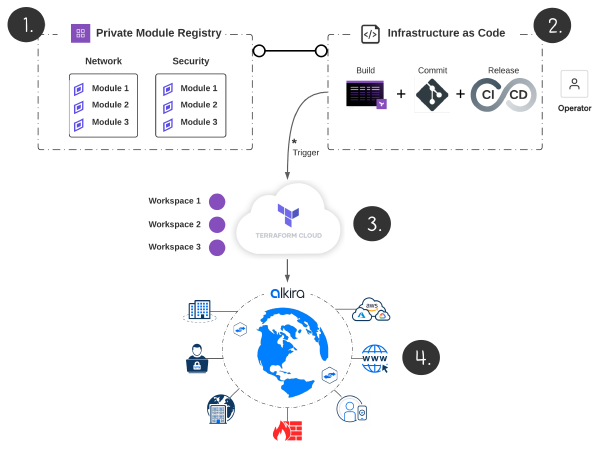
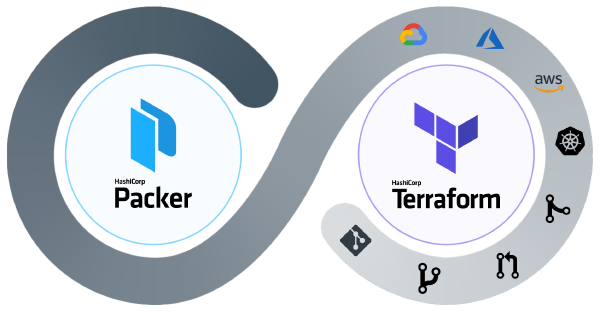
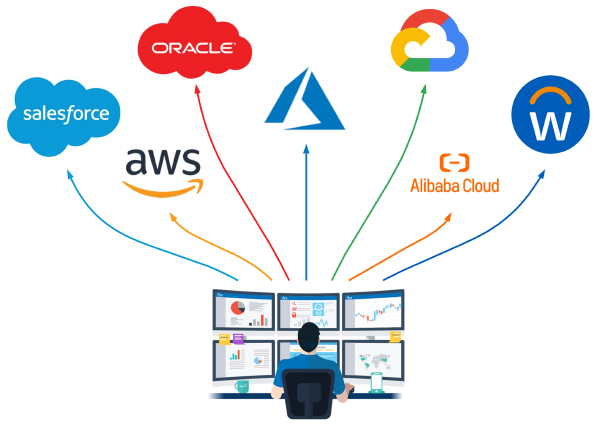
HashiCorp’s Terraform needs no introduction. It is all but the de facto vehicle for delivering cloud infrastructure, and for a good reason. What Terraform did for Multi-Cloud Infrastructure as Code, is precisely what Alkira does for the network. What happens when you use these two platforms together to deliver networking in and across clouds? If providing network services in code faster than ever before sounds interesting, this multi-part series is for you. Need a quick primer on Alkira? You can read up here.
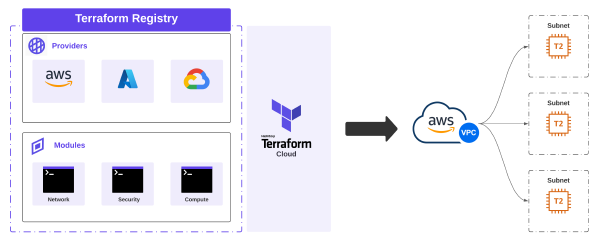
Effectively automating infrastructure is no longer a luxury but a staple in the enterprise move through future transformation. I wrote a blog recently about using Terraform with Packer together, and wanted to take this thought further with breaking down Terraform Modules and getting well connected with Terraform Cloud. I recently put together a simple module for building base infrastructure in AWS for the purpose of testing Alkira Network Cloud. Let’s dive in!
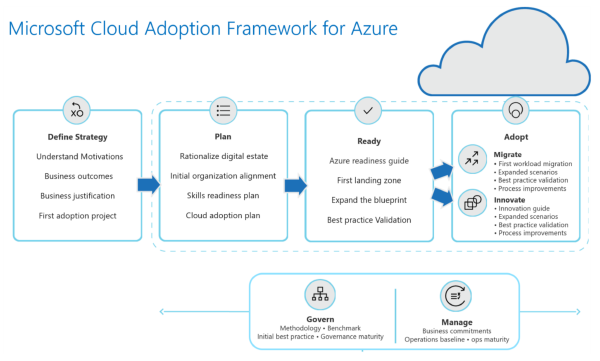
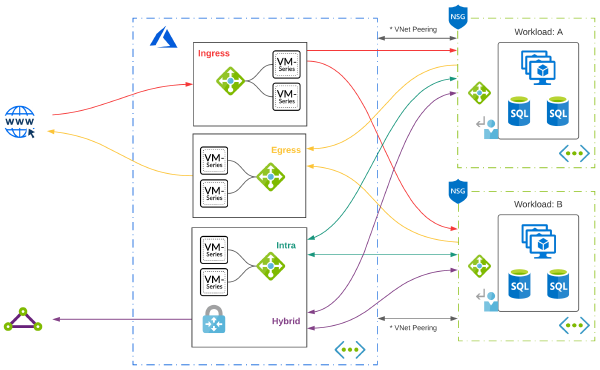
In Part 1, we went over some fundamentals. For Part 2, we will examine Azure network design patterns based on cloud maturity and organization size. The concept of design patterns was first introduced by Christopher Alexander and has profoundly influenced many technical disciplines.
Is cloud networking complicated, or is it just different? In building your infrastructure in the cloud, end-to-end system complexity increases exponentially. As enterprise applications mature, the foundational infrastructure and networking used to host and transport them must evolve. One obvious crux of networking is blast radius - you cannot easily modify it without down-time.
Manually provisioning infrastructure slows down application delivery, isolates knowledge, can hamper operations teams, and doesn’t scale. Automating infrastructure provisioning can address these challenges by shifting manual process into code. Hashicorp has products spanning the infrastructure, security, and application stack that can unlock that cloud operating model and deliver applications faster.
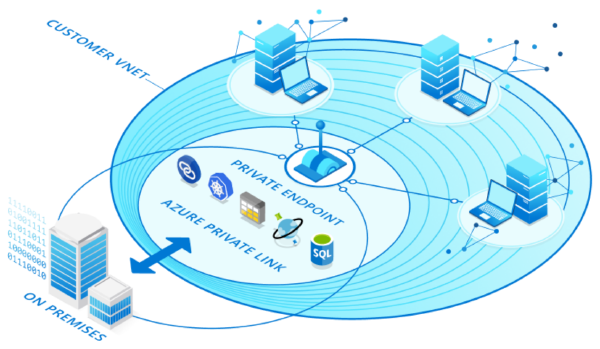
Azure Private Link enables access to hosted customer and partner services over a private endpoint in an Azure virtual network. This means private connectivity over your own RFC1918 address space to any supported PaaS service while limiting the need for additional gateways, NAT appliances, public IP addresses, or ExpressRoute (Microsoft Peering).