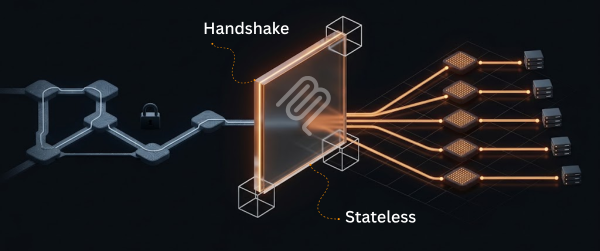
On July 28th, the MCP maintainers shipped the 2026-07-28 revision. No more initialize. No more initialized. No more Mcp-Session-Id. David Soria Parra called it “MCP’s most important release since remote MCP first launched over a year ago,” and I couldn’t agree more. In the weeks leading up to the release, I had the opportunity to have Angie Jones on the podcast to talk through some of the changes, community, and excitement on Episode 80 of The Cloud Gambit Podcast - (have a listen!)
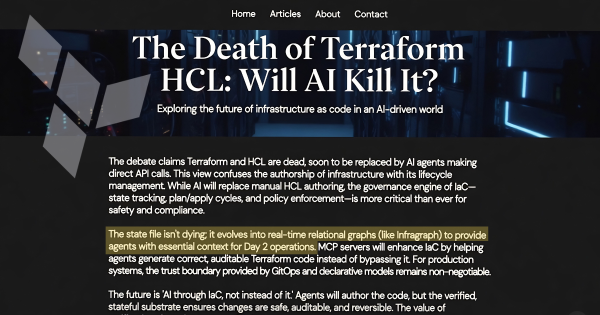
The discourse on platform engineering Twitter and Reddit has been pretty consistent for months now: Terraform is dead, HCL is dead, the entire Infrastructure as Code stack is about to get vaporized by autonomous agents that translate intent directly into cloud provider API calls. The 24-month clock is ticking. Pack up your .tfstate and go home. Another DEAD DEAD DEAD narrative emerges.
Open up the claude_desktop_config.json or mcp.json of the average AI tinkerer right now and tell me you don’t flinch. API keys sitting in plaintext. GitHub PATs with repo scope pasted next to a GitLab token that somebody will forget about in six months. A Slack bot token that absolutely should not be in a file backed up to iCloud. We collectively spent a decade teaching engineers not to do this - and then MCP showed up and everybody speed-ran the mistake all over again.
Here’s a question I got asked recently: If a skill can already call a REST API using Bash, why bother with MCP?
The surface-level answer is “MCP is cleaner.” That’s not wrong, but it undersells what’s actually different - and I think it’s a genuinely useful distinction to understand if you’re serious about building reliable agent workflows. Also, common-sense needs a resurgence given the massive amount of all old things are DEAD when new thing comes out clickbait that is proliferating on LinkedIn.
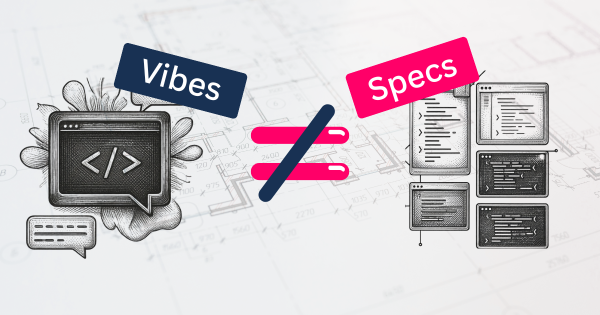
Let me paint you a picture. It’s 2025. You’ve discovered that you can describe a feature in plain English and an LLM will just… build it. The dopamine hit rivals or even eclipses social media. You feel as if you’re shipping things in an afternoon that used to take a week. You’re not reading diffs. You’re not understanding the internals. You’re just vibing - and it feels amazing.
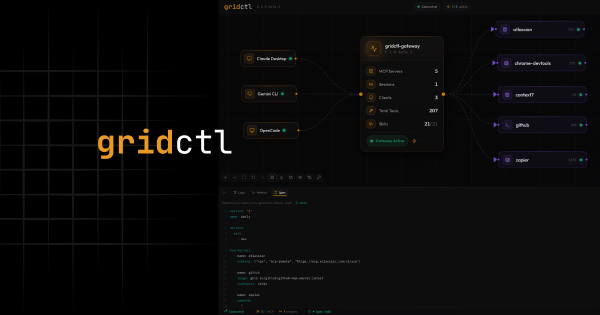
If you’ve spent any time building with MCP servers, you know the drill. You start with one server, maybe two. Then suddenly you’re juggling a dozen configurations across three different LLM clients, and your claude_desktop_config.json looks like it was written during a caffeine-fueled fever dream. That’s roughly where I was when I started building gridctl.