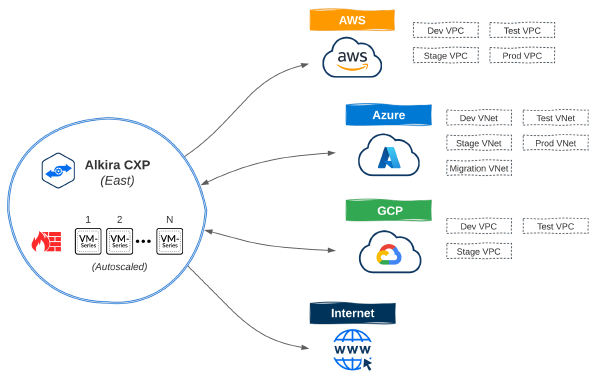
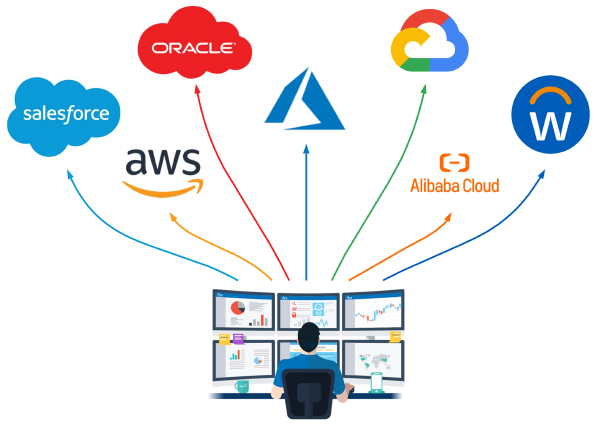
In Part 1, we started with a scalable foundation that can adapt over time as the business grows and adjusts to changing markets. With Alkira’s Network Cloud, we take a cloud native approach in enabling our customer’s transformation. No appliances need to be provisioned in remote VPCs or VNets, and no agents need to be installed on workloads. Getting started is as easy as kicking off a build pipeline. For Part 2, let’s connect some networks from AWS, Azure, and GCP.
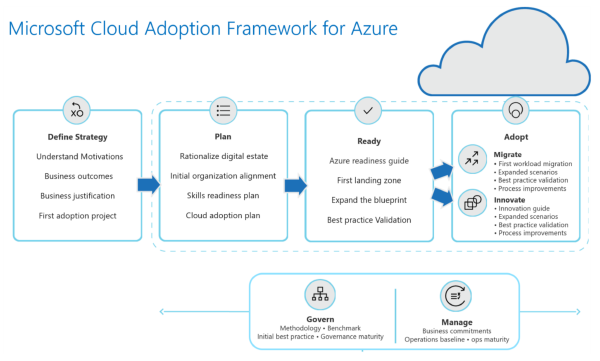
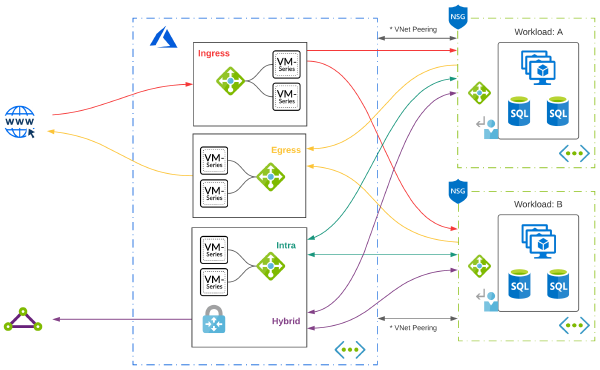
In Part 1, we went over some fundamentals. For Part 2, we will examine Azure network design patterns based on cloud maturity and organization size. The concept of design patterns was first introduced by Christopher Alexander and has profoundly influenced many technical disciplines.
Is cloud networking complicated, or is it just different? In building your infrastructure in the cloud, end-to-end system complexity increases exponentially. As enterprise applications mature, the foundational infrastructure and networking used to host and transport them must evolve. One obvious crux of networking is blast radius - you cannot easily modify it without down-time.
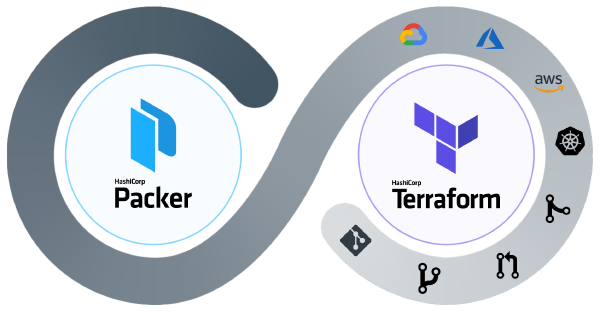
Manually provisioning infrastructure slows down application delivery, isolates knowledge, can hamper operations teams, and doesn’t scale. Automating infrastructure provisioning can address these challenges by shifting manual process into code. Hashicorp has products spanning the infrastructure, security, and application stack that can unlock that cloud operating model and deliver applications faster.
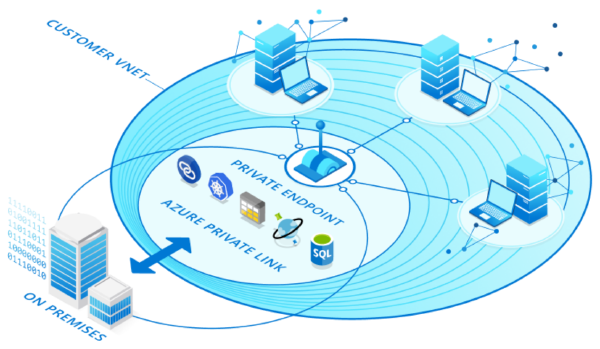
Azure Private Link enables access to hosted customer and partner services over a private endpoint in an Azure virtual network. This means private connectivity over your own RFC1918 address space to any supported PaaS service while limiting the need for additional gateways, NAT appliances, public IP addresses, or ExpressRoute (Microsoft Peering).